Sponsored LinkedIn post
A dedicated post to introduce your brand to my audience.
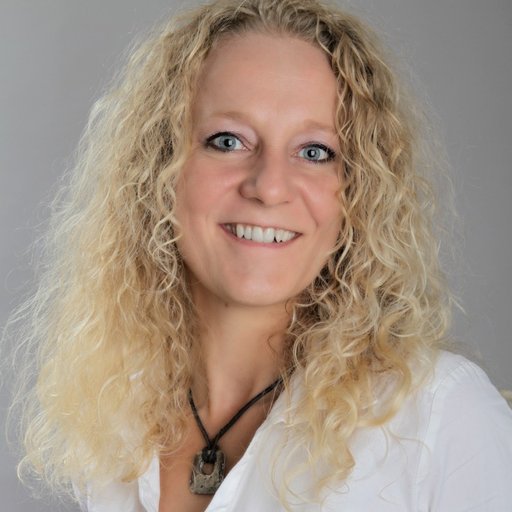
Future of Work Strategist Turning future of work trends into business impact
Companies pay Angelique to write a post about their product on LinkedIn.
This page is where they book it. Below: Angelique's audience, recent posts and price. Naano, the platform behind this page, handles the brief, your approval of the post and the payment.
€450per post, fixed price
or 3 posts for €938 · You approve the post before it goes live
Looking for Angelique? View LinkedIn profileA creator yourself? Create your own page
I’m Angelique, and I help companies turn future of work trends into business opportunities. Your workplace is transforming. I work with People and Leaders to design people-first, data-backed people and workplace strategies that work - based on their strategic goals and real data, instead of outdated models or media hypes. By bridging People & Workplace Strategy with tech, I empower both people and organisations to thrive. When you work with me, you don’t just navigate change, you leverage it. The result? Stronger business performance and future-ready, human-centric organisations built to last. I’m visionary, empowering, adventurous, future-minded, and optimistic. I bring strong business acumen and deep understanding of organisational dynamics at all levels. I excel in active listening, breaking down outdated beliefs through storytelling, and building new structures using science and a personalised approach. With 25+ years in HR and the Future of Work, I bring deep expertise: from global boardrooms to innovative startups: I’ve led complex transformations and M&A transitions at companies like KPMG, DHL, Jabil and Renewi, including building or restructuring HR departments from the ground up. I’ve introduced hybrid work and HR innovation programs at companies like Siemens, Natixis, GEP, KAO, and King; advised HR Tech startups on product and GTM strategy; and built an international think tank with over 500+ senior leaders to co-create future-ready workplace models. I have contributed to 10+ books, dozens of podcasts, been featured in international media, and spoken at 30+ international conferences. Services: 🌍 Future of Work Consulting & Leadership Workshops 📊 Workplace Experience Assessments (powered by Workplaced SaaS) 🎤 Keynotes & Thought Leadership - for conferences and internal events 🏛️ Board Advisory Roles (Strategic People- & Org Development) 🔄 Interim/Fractional HR Transformation Projects I am a global citizen, experiencing firsthand the challenges and opportunities faced by hybrid & remote-first companies. Living between Amsterdam and an underprivileged community in one of the most dangerous cities in the world has brought me a unique perspective on how the future of work can positively impact the world. I’m always open to exploring ideas and collaborating with people who are just as eager to shape the future of work as I am: 🤝 Interested in collaborating or exchanging ideas? DM me 📩 Download my deck in the featured section 📬 Want receive insights from me? Subscribe link in bio 🔔 Stay tuned: hit the bell on my profile
My most engaged audience
24% Founders
From 65 people who reacted to or commented on my posts
Public LinkedIn data · Oct 15, 2026
Angelique Slob
Is workplace strategy part of your HR strategy? And who owns the budget? I'm currently speaking to a lot of CHROs and Workplace leaders about their 2027 agenda. What I notice: Workplace is often the afterthought. Overlooked for what it really is: A strategic tool to achieve business goals. New (hybrid) ways of working and office design both drive productivity and retention. Yet HR is often not leading that conversation. Sometimes not even part of it. While workplace is deeply connected to culture, neurodiversity profiles, employee experience, flexibility and collaboration models. All HR topics. And most workplace decisions, including budget, are made without HR ownership and virtually no data. And leadership teams are not answering the questions that matter: What is the office actually for? How does it fit our desired culture? And what does our workforce actually need? I work directly with HR and Workplace leaders, helping them close the data gap and empowering HR to claim that seat at the table, aligning workplace strategy with people strategy. How is this in your organization?
Angelique Slob
Most companies don’t realise their hybrid policy isn’t a strategy. When I work with HR and Workplace leaders, it’s often exactly this conversation: “We have a beautiful office and great perks. Our hybrid policy is set: a 2- or 3-days-in rule.” But for me that is not the end of the conversation - this is when I address the blind spot. It is is almost always the same: that in office rule is based on gut feeling, or on what the company next door is doing, or a compromise. But trends or are one-size-fits-all. And your company is not the same as the one next door. And gut feeling? That’s shaped by proximity bias, your own experiences and your own blind spots. It doesn’t address the underlying question: how work gets done in your company. Some companies take a different, smarter approach. They 𝐬𝐭𝐚𝐫𝐭 𝐰𝐢𝐭𝐡 𝐭𝐡𝐞 𝐰𝐡𝐲. That’s the work I do with People leaders, Workplace leaders and founders: 🧬 What is the DNA of your company? 💻 What does that mean for how work actually gets done? 📆 How do we balance autonomy, collaboration and individual flexibility? (Hint: it goes far beyond your days-in-office policy.) 🏢 What kind of office is supporting our unique culture and purpose? Once that’s clear, every work and workplace decision that follows, including the office, is aligned with your overarching business strategy. And that is the end for me: when we moved past flat time-in-office rules and a standard one-size fits all office to an intentional and strategic approach around new(hybrid) ways of working and an office where people, culture and place truly connect. Look at the list and tell me: what question did your organisation skip before deciding on its days-in-office rule?
Angelique Slob
"𝘞𝘩𝘢𝘵 𝘪𝘴 𝘰𝘶𝘳 𝘰𝘧𝘧𝘪𝘤𝘦 𝘢𝘤𝘵𝘶𝘢𝘭𝘭𝘺 𝘧𝘰𝘳?" When asking HR Leaders, it is often clear not much thought has gone into it. The answers stay high-level and general: "Our office is important for culture, engagement, collaboration, connection, learning and wellbeing." What I rarely hear is something specific, like: "Our office is designed to be a great place for high-concentration and solo work, including for our neurodiverse employees, with collaboration spaces for team activities." Or: "Our office is an optional hospitality hub, optimised for intentional in-office days: meeting, coworking, collaborating, and also offer focus work areas for those who prefer to do it there." First: the office has a function, and it absolutely can support collaboration and engagement. But a 3-day office rule doesn't automatically deliver those outcomes. They need to be worked on intentionally. When we treat the office as the only enabler, we miss the goal. The flip side proves this: you don't need an office to get there. Plenty of fully remote teams are high-performing and score high on exactly these things. Second: data shows that most work is deep, solo, focused work, and most offices aren't designed for it. A 3-day rule doesn't support the concentration that work needs. Add fixed office days, when the office is buzzing, should also match what people are actually doing that day. When my fixed office day is full of Teams calls and I can't find a phone booth, the office isn't aligned with the work, and this leads to disengagement. HR is deeply involved in setting the rules around hybrid, often caught between leadership pushing for more office time and employees asking for flexibility. But HR rarely looks at the kind of work people actually do. The real answer to "what is the office for" only emerges 𝐰𝐡𝐞𝐧 𝐇𝐑 𝐠𝐞𝐭𝐬 𝐢𝐧𝐯𝐨𝐥𝐯𝐞𝐝 𝐢𝐧 𝐡𝐨𝐰 𝐰𝐨𝐫𝐤 𝐠𝐞𝐭𝐬 𝐝𝐨𝐧𝐞, 𝐚𝐧𝐝 𝐭𝐢𝐞𝐬 𝐭𝐡𝐚𝐭 𝐛𝐚𝐜𝐤 𝐭𝐨 𝐯𝐢𝐬𝐢𝐨𝐧 𝐚𝐥𝐢𝐠𝐧𝐞𝐝 𝐰𝐢𝐭𝐡 𝐨𝐫𝐠𝐚𝐧𝐢𝐬𝐚𝐭𝐢𝐨𝐧𝐚𝐥 𝐜𝐮𝐥𝐭𝐮𝐫𝐞 𝐚𝐧𝐝 𝐥𝐞𝐚𝐝𝐞𝐫𝐬𝐡𝐢𝐩 𝐬𝐭𝐲𝐥𝐞. What is your vision on ‘what is the office for, exactly’?
Choose a format for your next LinkedIn collaboration.
A dedicated post to introduce your brand to my audience.
A series of posts to build visibility over time.
Your collaboration, managed on Naano
How does this price compare? B2B creator rates 2026
Based on 65 people who reacted to or commented on my posts. Percentages use the profiles that could be classified.
Based on 65 people who reacted to or commented on my posts. Percentages use the profiles that could be classified.
Based on 65 people who reacted to or commented on my posts. Percentages use the profiles that could be classified.
Storefront by Naano · Create yours
Angelique Slob is a B2B LinkedIn creator based in the Netherlands with 10,576 followers, posting about HR and Real Estate / PropTech. On Naano, one sponsored LinkedIn post by Angelique Slob costs €450, a fixed price per post.
The Naano team casts the creators, writes the briefs, reviews every draft with you and reports results per creator. You approve the shortlist and every draft.