Sponsored LinkedIn post
A dedicated post to introduce your brand to my audience.
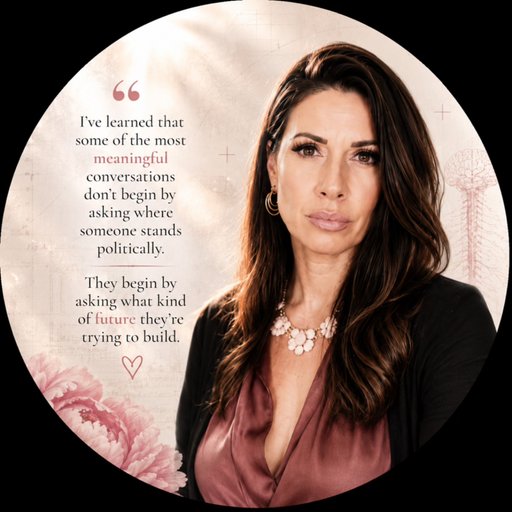
Founder, The Survivor Files | Pattern Intelligence Consultant specializing in coercive control recognition, custody litigation pattern analysis & evidentiary documentation strategy.
Companies pay Joanna to write a post about their product on LinkedIn.
This page is where they book it. Below: Joanna's audience, recent posts and price. Naano, the platform behind this page, handles the brief, your approval of the post and the payment.
€407per post, fixed price
You approve the post before it goes live
Looking for Joanna? View LinkedIn profileA creator yourself? Create your own page
The pattern is the evidence. I founded The Survivor Files to examine what happens when coercive control, domestic violence, post-separation abuse, and custody litigation are treated as isolated incidents instead of interconnected patterns. Because systems often evaluate moments. Survivors live timelines. My work centers on pattern intelligence: identifying escalation, repetition, behavioral shifts, institutional gaps, and the connections that can disappear when a story is divided between courtrooms, agencies, providers, jurisdictions, and years of documentation. I specialize in coercive control recognition, custody litigation pattern analysis, timeline mapping, narrative reclaiming, and evidentiary documentation strategy. My perspective was not built in a vacuum. I have spent years navigating the intersection of domestic violence, family court, criminal proceedings, financial abuse, institutional response, and post-separation control. Along the way, I began recognizing something I could not unsee: The information often existed. The pattern did too. What was missing was a system capable of holding the entire picture at once. The Survivor Files was built in that gap. Today, I write and speak about the points where trauma, law, policy, and institutional response collide—and the human consequences when systems fail to connect information across silos. The mission of The Survivor Files is survivor-informed, pattern-focused, and intentionally interdisciplinary. And when we say survivors, we mean survivors. Children. Mothers. Fathers. Veterans. LGBTQ+ survivors. Men. Women. Families. People whose experiences do not fit neatly into the demographic, political, or institutional narratives we have become accustomed to recognizing. Abuse does not belong to one gender, one community, one political party, or one kind of family. Neither should advocacy. We believe survivor narratives contain intelligence. We believe timelines matter. We believe language determines what systems are capable of recognizing. And we believe some of our greatest institutional failures are not caused by a complete absence of evidence, but by our failure to understand the relationship between the evidence already in front of us. Children do not disappear in the system. They disappear between it. We cannot stop what the system does not name. The Survivor Files exists to help name it. Joanna Rivera Founder, The Survivor Files Pattern Intelligence & Advocacy Las Vegas, Nevada
Public LinkedIn data · Sep 21, 2026
Joanna Rivera
WHEN A CHILD BECOMES THE WARNING SIGN, WE’VE WAITED TOO LONG We teach children to speak up when something is wrong. To recognize danger. To find the words. To tell a trusted adult. But why is so much of the responsibility on the child? Adults should know the warning signs better than children do. A child may not know that what is happening to them is abuse. They may not have the language to describe it. They may have been taught that it is normal, threatened into silence, or simply be too young to understand what they are experiencing. And sometimes, the person causing the harm is an authority figure—someone the child has been taught to trust or obey. They may fear they won’t be believed, or that the adult’s word will carry more weight than their own. The CDC reports that at least 1 in 7 children in the United States experienced child abuse or neglect in the past year—and cautions that this is likely an underestimate because many cases are never reported. Statistics vary depending on definitions, methodology, and whether we count only cases that reach authorities—or attempt to measure the children whose abuse never does. And when warning signs are missed or disclosures aren’t believed, the consequences may extend far beyond one child. A perpetrator who remains undetected may retain access to others. A child should never have to become the evidence in order to be believed. The injury. The behavioral change. The disclosure after years of silence. The escalating reports. And sometimes, by the time one child becomes the warning sign no one can ignore, there are already others. That is the point we should never reach. If protecting children depends on them recognizing abuse, articulating it, reporting it—and then being believed—we have placed an extraordinary burden on the people with the least power in the equation. Teachers. Doctors. Coaches. Neighbors. Family members. Law enforcement. Courts. Communities. We are the adults. We should know the warning signs before a child has to become one. Because when a child becomes the warning sign, we’ve waited too long. Stand with the children. — The Survivor Files The pattern is the evidence. #IfYouSeeSomethingSaySomething #SeeTheSigns #SpeakUp #ProtectChildren #ListenToChildren #OneNationAgainstAbuse
Joanna Rivera
SOME OF THE MOST VICTIMIZED WOMEN IN AMERICA AREN’T SITTING IN VICTIM-SERVICES OFFICES. THEY’RE SITTING BEHIND BARS. We have a lot of labels for women. Daughter. Wife. Single. Mom. Bad mom. Trophy wife. Successful. High maintenance. Victim. Survivor. Difficult. Crazy. The list goes on. Very few require us to actually know her. And almost none tell us what happened before we decided which one fit. The most comprehensive national analysis available puts roughly 190,600 women and girls behind bars on any given day. Now look backward. In a multi-site study of women in U.S. jails: 86% reported sexual violence. 77% partner violence. 60% caregiver violence. And in a 2025 study of 399 female defendants in federal sex-trafficking prosecutions, researchers classified 53% as trafficking victims. More than half. The victim didn’t disappear when she became an offender. We just changed what we called her. When ordinary women do extraordinary things, there is often a reason. Not an excuse. A reason. And reasons have histories. Child abuse. Running away. Trafficking. Drugs that became the anesthesia—or the leash. Stealing to survive. Crimes committed alongside someone controlling her. Years of beatings until one night she fought back. Sometimes the behavior that puts her behind bars began as the behavior that kept her alive. Women don’t materialize inside prison cells. Before the mugshot, there was a woman. Sometimes, long before her, there was a girl. Maybe she told. Maybe someone documented it. Maybe foster care became another chapter instead of the ending. Maybe nobody came. Childhood ended. The pattern didn’t. Abuse became exploitation. Exploitation became addiction. Victimization became survival behavior. Survival behavior became criminal behavior. Eventually the system met her again. Only now she wasn’t the child we failed to protect. She was the woman we were prepared to punish. Or maybe she was a mom. Her child said something was wrong. She believed them. Reported it. Asked for help. Nothing changed. Don’t make me go back. Until she faced an impossible choice: Return the child she believes is in danger. Or break the law trying to protect them. Then we meet her. Not frightened. Not asking for help. Not while someone was hurting her. When she finally does something we know how to punish. But suddenly the system becomes very efficient. — The Survivor Files Sources: Prison Policy Initiative, Women’s Mass Incarceration: The Whole Pie 2024; NCSL, Conditions and Rights for Women in Jails; NIJ-sponsored research, Trafficker or Trafficked? (2025). #HumanRights #Dignity #WomensRights
Joanna Rivera
WE CALL OURSELVES “SURVIVORS” BECAUSE IT SOUNDS EMPOWERING. BUT WHAT ARE WE REALLY IMPLYING? The language changed for a reason. Victim can sound powerless. Survivor sounds strong. You survived. You got out. You made it through. But survivor sounds like past tense. It suggests there was something to survive—and now it’s over. Except leaving does not always end domestic abuse. Sometimes leaving amplifies it. It simply changes form. Physical violence may stop while coercive control continues through stalking, technology, financial abuse, litigation, institutions, reputation, or children. Yet the story often follows a simple timeline: Victim → leaves → survivor. As though leaving marks the end. It doesn’t. Leaving can end proximity. It does not necessarily end control. And that creates another problem: It can give the systems around them more credit than they deserve. Survival becomes evidence that protection worked—when sometimes what it actually proves is how much a person endured despite its failure. Look at what “survival” can actually look like. Protective parents endure homelessness and separation from their children. Others are left without jobs, financial security, or enough money for groceries. Others endure profound isolation after relationships, communities, and resources have been systematically stripped away. Some spend years navigating courts, stalking, debt, threats, and trauma long after we say they “survived.” And some do not survive at all. Perhaps survival is the wrong measure of whether our systems are working. A person can survive despite being disbelieved, inadequately protected, financially devastated, or forced to spend years proving the same pattern to institutions that each see only one piece. Their survival belongs to them. It is not evidence of the system’s success. And when abuse is assumed to be over, what follows can be badly misread. Repeated court filings can look vexatious without asking what keeps bringing someone back. Trauma-related inconsistencies can become “not credible” without considering what trauma does to memory. Fear can look irrational when danger is assumed to have ended. Persistence can look like conflict when we stop looking for control. None of this means we should stop using the word survivor. For many, it represents strength, resistance, and endurance. Maybe the problem isn’t the word. Maybe the problem is who gets credit for the survival—and what we assume survival means. Getting away and being free are not always the same thing. Being alive is not proof that protection worked. Escaping an incident is not necessarily escaping a pattern. Survivor sounds like past tense. For too many people, survival is still present tense. And to everyone who has survived it, I have one question: Is this what survival is supposed to look like? — The Survivor Files #CallItWhatItIs #EndThePattern #EndCoerciveControl
Choose a format for your next LinkedIn collaboration.
A dedicated post to introduce your brand to my audience.
Your collaboration, managed on Naano
How does this price compare? B2B creator rates 2026
Based on 34 people who reacted to or commented on my posts. Percentages use the profiles that could be classified.
Based on 34 people who reacted to or commented on my posts. Percentages use the profiles that could be classified.
Based on 34 people who reacted to or commented on my posts. Percentages use the profiles that could be classified.
Based on 34 people who reacted to or commented on my posts. Percentages use the profiles that could be classified.
Storefront by Naano · Create yours
Joanna Rivera is a B2B LinkedIn creator based in the United States with 3,925 followers, posting about Creative and Marketing. On Naano, one sponsored LinkedIn post by Joanna Rivera costs €407, a fixed price per post.
The Naano team casts the creators, writes the briefs, reviews every draft with you and reports results per creator. You approve the shortlist and every draft.