Sponsored LinkedIn post
A dedicated post to introduce your brand to my audience.
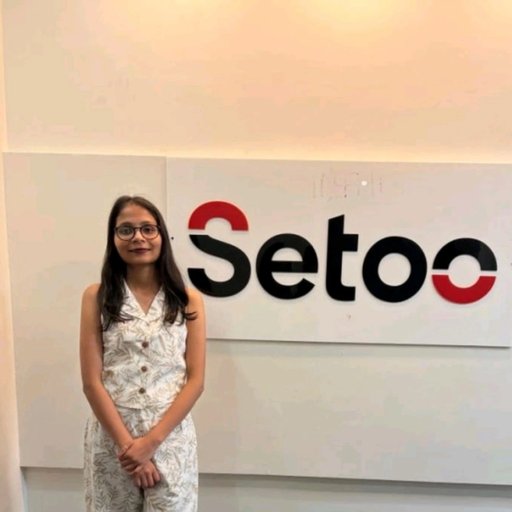
AI & Python Creator | Generative AI, LLMs, Machine Learning & Developer Tools
Priyanka is a creator on Naano, where companies pay creators to write posts about their product.
Below: Priyanka's audience and recent posts.
€250per post, fixed price
or 5 posts for €1,000 · You approve the post before it goes live
Looking for Priyanka? View LinkedIn profileA creator yourself? Create your own page
Making AI Practical for the Next Generation of Developers I'm Priyanka Todkar, an AI and Technology Content Creator helping developers and technology professionals understand, explore, and adopt emerging technologies. I create practical, educational, and engaging LinkedIn content around: • Python Programming & Development • Artificial Intelligence & Machine Learning • Generative AI, LLMs & RAG • AI Tools, Automation & Developer Productivity • Technical Interview Preparation • Coding Challenges and Real-World Projects My approach is simple: turn complex technical concepts and product features into content that developers can understand, learn from, and apply. I work with technology brands to create authentic sponsored content, product showcases, technical explainers, and educational campaigns. **Open to collaborations with:** AI startups, SaaS companies, developer tools, API platforms, cloud technology providers, coding platforms, and EdTech brands.
LinkedIn export · Aug 6, 2026 – Nov 3, 2026 · Provided by the creator, not independently verified by Naano
Priyanka Todkar
AI/ML Engineer Interview Questions Preparing for roles such as: - AI/ML Engineer - Generative AI Engineer - AI Agent Engineer Here are 8 important interview questions to challenge your knowledge: 1. Multi-Agent Systems Describe a complex multi-agent or LLM-based solution you designed and deployed. What architectural decisions and production challenges did you face? 2. Agentic AI Architecture How would you design an agent graph using Google ADK and LangGraph for multi-step tool-calling workflows, including failures, retries, ambiguous results, and infinite-loop prevention? 3. Python & Algorithms How would you implement Levenshtein distance using dynamic programming? How would you identify matching product-name pairs within a given distance threshold? 4. Retrieval-Augmented Generation (RAG) What happens when retrieved context is too broad or too narrow? How would you optimize chunking, embeddings, Top-K, similarity thresholds, and reranking? 5. LLM Evaluation How would you design an evaluation pipeline for multi-turn conversations? Which metrics would you use to measure tool-calling accuracy and final-answer quality? 6. Model Context Protocol (MCP) In an MCP-based architecture, what tool information is exposed to the LLM, and how does the model decide which tool to call? 7. AI Observability & Evaluation How would you structure and evaluate tool inputs, outputs, execution traces, and feedback data to improve future model performance? 8. Reusable MCP Architecture If multiple agents need access to the same tool, how would you design the MCP/tool layer to make it reusable, secure, and efficient? 𝗜 𝗵𝗮𝘃𝗲 𝗽𝗿𝗲𝗽𝗮𝗿𝗲𝗱 𝗙𝗼𝗿𝗴𝗲 — 𝗣𝘆𝘁𝗵𝗼𝗻 𝗗𝗲𝘃𝗲𝗹𝗼𝗽𝗲𝗿 𝗠𝗮𝘀𝘁𝗲𝗿𝘆 𝗞𝗶𝘁. 𝗚𝗲𝘁 𝗙𝗼𝗿𝗴𝗲 𝗵𝗲𝗿𝗲 : https://lnkd.in/dGwqD97A Share your thoughts in the comments! #AI #MachineLearning #GenAI #AgenticAI #RAG #MCP #LangGraph #GoogleADK #MLOps #DataScience #AIEngineering #InterviewPreparation
Priyanka Todkar
𝗪𝗵𝘆 𝗗𝗼 𝗟𝗟𝗠𝘀 𝗛𝗮𝗹𝗹𝘂𝗰𝗶𝗻𝗮𝘁𝗲? And more importantly, how do you reduce hallucinations in production? LLMs generate likely next tokens. They don't automatically verify that every statement is factually correct. Here are 3 techniques to reduce hallucinations. 1. Retrieval-Augmented Generation (RAG) Retrieve relevant documents and instruct the model to ground its answer in that evidence. Cost: Retrieval infrastructure, document processing, and added latency. 2. Structured Outputs and Validation Use schemas, constraints, and application-level checks to validate generated responses. Cost: Additional implementation effort, and schema validity still doesn't guarantee factual correctness. 3. Evaluation and Verification Build test datasets, check claims against trusted sources, and evaluate answer quality before deployment. Cost: Evaluation pipelines, human review, and ongoing maintenance. You can also instruct the model to acknowledge uncertainty or abstain when evidence is insufficient. But no single technique eliminates hallucinations completely. 𝗧𝗵𝗲 𝗿𝗲𝗮𝗹 𝗴𝗼𝗮𝗹 𝗶𝘀𝗻'𝘁 𝘁𝗼 𝗺𝗮𝗸𝗲 𝘁𝗵𝗲 𝗺𝗼𝗱𝗲𝗹 𝘀𝗼𝘂𝗻𝗱 𝗰𝗼𝗻𝗳𝗶𝗱𝗲𝗻𝘁. It's to build a system that produces verifiable answers—and knows when it doesn't have enough evidence. Interview question: How would you measure hallucination rates in a customer-facing RAG application? 𝗜 𝗵𝗮𝘃𝗲 𝗽𝗿𝗲𝗽𝗮𝗿𝗲𝗱 𝗙𝗼𝗿𝗴𝗲 — 𝗣𝘆𝘁𝗵𝗼𝗻 𝗗𝗲𝘃𝗲𝗹𝗼𝗽𝗲𝗿 𝗠𝗮𝘀𝘁𝗲𝗿𝘆 𝗞𝗶𝘁. 𝗚𝗲𝘁 𝗙𝗼𝗿𝗴𝗲 𝗵𝗲𝗿𝗲 : https://lnkd.in/dGwqD97A #LLM #AIEngineering #RAG #GenerativeAI #AIEvaluation #ResponsibleAI
Choose a format for your next LinkedIn collaboration.
A dedicated post to introduce your brand to my audience.
A series of posts to build visibility over time.
Reposts your LinkedIn post to my network.
Reposts your LinkedIn post with my own comment.
This creator is not accepting new bookings at the moment.
Your collaboration, managed on Naano
How does this price compare? B2B creator rates 2026
People who saw my posts, from my LinkedIn export.
People who saw my posts, from my LinkedIn export.
People who saw my posts, from my LinkedIn export.
People who saw my posts, from my LinkedIn export.
People who saw my posts, from my LinkedIn export.
Storefront by Naano · Create yours
Priyanka Todkar is a B2B LinkedIn creator based in India with 10,981 followers, posting about AI, Software, and Developer Tools. On Naano, one sponsored LinkedIn post by Priyanka Todkar costs €250, a fixed price per post. Priyanka Todkar is not taking new bookings right now.
The Naano team casts the creators, writes the briefs, reviews every draft with you and reports results per creator. You approve the shortlist and every draft.