Sponsored LinkedIn post
A dedicated post to introduce your brand to my audience.
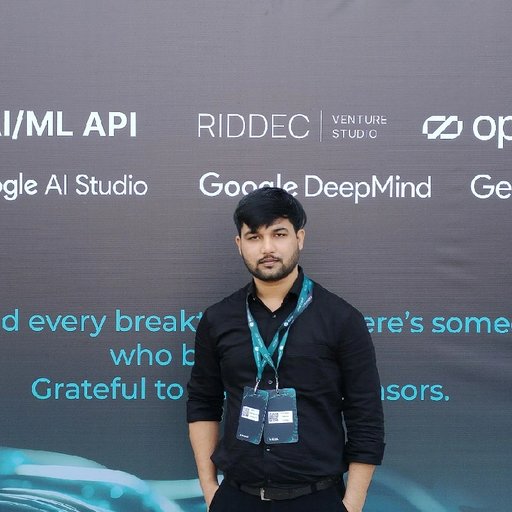
Co-Founder & AI Engineer @ Agentic Research & Kinetic Systems
Companies pay Kutbuddin to write a post about their product on LinkedIn.
This page is where they book it. Below: Kutbuddin's audience, recent posts and price. Naano, the platform behind this page, handles the brief, your approval of the post and the payment.
€75per post, fixed price
or 4 posts for €250 · You approve the post before it goes live
Looking for Kutbuddin? View LinkedIn profileA creator yourself? Create your own page
Interviewing 30 US & UK recruitment agency founders on manual ops and hiring workflow bottlenecks · Founder-led study · Apr–Jul 2026
For the next 90 days I'm running a founder-led study on how US and UK recruitment agencies handle the manual ops eating their week. The short version: most agencies are losing hours through gaps they've stopped noticing. The CRM that doesn't sync with the ATS. The client report pulled manually from three dashboards every Friday. The candidate who was "super promising" three weeks ago but no one remembered to follow up because the tracker is a shared Excel file. These don't show up as lost deals. They show up as "we just couldn't grow this quarter." The study: — 30 interviews with US and UK recruitment agency founders, managing directors, and ops leads — Boutique one-desk operations through to 50-headcount firms; contingent, retained, exec search, staffing — 20 minutes each, structured but conversational — April through July 2026 — No sales pitch, no product demo I'm asking about current intake and tracking channels, data reconciliation between tools, the manual work that was supposed to disappear when you bought the stack, and the one workflow owners would automate if they could wave a wand tomorrow. At the end I'll publish the findings openly, so agencies that couldn't join still get the takeaways. If you run a recruitment agency in the US or UK, send me a message. — — — Full disclosure: I'm a builder and co-founder of Agentic Research & Kinetic System, which ships AI automation for agencies. That's why this problem is on my desk. But the study is neutral — its job is to tell me what's actually happening inside recruitment agencies, not to sell anything. I'll say the same thing upfront when we speak.
Public LinkedIn data · Sep 17, 2026
Kutbuddin Khan
𝗠𝗼𝘀𝘁 𝗽𝗲𝗼𝗽𝗹𝗲 𝗿𝗲𝗮𝗱 𝗔𝗜 𝗻𝗲𝘄𝘀 𝗮𝗻𝗱 𝗺𝗼𝘃𝗲 𝗼𝗻. I read it and ask one question: what can someone build because of this. Three things happened in AI this week. Not the headlines everyone shared. The signals underneath them. 𝟭. 𝗖𝗵𝗲𝗮𝗽 𝗔𝗜 𝗶𝘀 𝗴𝗲𝘁𝘁𝗶𝗻𝗴 𝗰𝗵𝗲𝗮𝗽𝗲𝗿. 𝗘𝘅𝗽𝗲𝗻𝘀𝗶𝘃𝗲 𝗔𝗜 𝗶𝘀 𝘀𝘁𝗶𝗹𝗹 𝗴𝗿𝗼𝘄𝗶𝗻𝗴. The cheapest models on OpenRouter are dominating usage, priced under $0.20 per million tokens. Meanwhile Claude Opus 5 re-entered the top 10 at $5 per million tokens. Usage jumped 61% in a week. People aren't chasing cheap. They're paying for output that's worth more than the inference cost. If your product saves a client $20,000, a few extra dollars on a better model is an easy trade. 𝟮. 𝗔𝗜 𝗶𝘀 𝗱𝗶𝘀𝗮𝗽𝗽𝗲𝗮𝗿𝗶𝗻𝗴 𝗶𝗻𝘁𝗼 𝘁𝗵𝗲 𝗼𝗽𝗲𝗿𝗮𝘁𝗶𝗻𝗴 𝘀𝘆𝘀𝘁𝗲𝗺. Google shipped system-wide AI dictation. Hold a key, speak, get clean text anywhere. No app, no tab, no copy-paste. Meta's doing the same on Mac, and going further by connecting the assistant directly to a merchant's ad data and business tools. The lesson isn't the feature. It's that the product living inside a workflow beats the product asking someone to leave it. 𝟯. 𝗧𝗵𝗲 𝗳𝗮𝘀𝘁𝗲𝘀𝘁 𝗴𝗿𝗼𝘄𝗶𝗻𝗴 𝗚𝗶𝘁𝗛𝘂𝗯 𝗿𝗲𝗽𝗼𝘀 𝘁𝗵𝗶𝘀 𝘄𝗲𝗲𝗸 𝗮𝗿𝗲𝗻'𝘁 𝘀𝗼𝗹𝘃𝗶𝗻𝗴 𝗳𝗿𝗼𝗻𝘁𝗶𝗲𝗿 𝗽𝗿𝗼𝗯𝗹𝗲𝗺𝘀. One turns a topic into a finished video, script to subtitles to music. It crossed 112,000 stars. Another is a tiny model built to run on microcontrollers. None of them tried to out-build the labs. They picked one annoying gap around AI that already works, and closed it. 𝗧𝗵𝗲 𝗽𝗮𝘁𝘁𝗲𝗿𝗻 𝗮𝗰𝗿𝗼𝘀𝘀 𝗮𝗹𝗹 𝘁𝗵𝗿𝗲𝗲: Something changes. Most businesses notice it later. The opening is building for it now, before it's obvious. Don't ask what AI product to build. Ask what AI can already do that's still annoying to use. Full breakdown with all 3 opportunities, and how to act on each one, in this week's issue 👇
Kutbuddin Khan
𝗘𝘃𝗲𝗿𝘆𝗼𝗻𝗲'𝘀 𝗮𝗿𝗴𝘂𝗶𝗻𝗴 𝗮𝗯𝗼𝘂𝘁 𝘄𝗵𝗶𝗰𝗵 𝗔𝗜 𝗺𝗼𝗱𝗲𝗹 𝗶𝘀 𝗯𝗲𝘁𝘁𝗲𝗿. 𝗪𝗿𝗼𝗻𝗴 𝗾𝘂𝗲𝘀𝘁𝗶𝗼𝗻. I spent the week testing GPT-6 Astra and Claude Fable 5.1 side by side. Not benchmarks. Actual work. Here's what nobody's saying out loud: 𝗧𝗵𝗲𝘆'𝗿𝗲 𝗻𝗼𝘁 𝗰𝗼𝗺𝗽𝗲𝘁𝗶𝗻𝗴. 𝗧𝗵𝗲𝘆'𝗿𝗲 𝗱𝗼𝗶𝗻𝗴 𝗰𝗼𝗺𝗽𝗹𝗲𝘁𝗲𝗹𝘆 𝗱𝗶𝗳𝗳𝗲𝗿𝗲𝗻𝘁 𝗷𝗼𝗯𝘀. GPT-6 Astra operates your tools. Excel, PDFs, slides, browsers. You stop giving it instructions and start giving it a finish line. It just does the task. Fable 5.1 doesn't touch your apps. But hand it a messy research problem with 40 pages of context and it doesn't blink. So I stopped picking one. Now it's a chain: 𝗚𝗣𝗧-𝟲 𝗔𝘀𝘁𝗿𝗮 → collects and organizes the raw data 𝗙𝗮𝗯𝗹𝗲 𝟱.𝟭 → does the actual reasoning on top of it 𝗚𝗣𝗧-𝟲 𝗔𝘀𝘁𝗿𝗮 → turns the output into a deliverable Three tools. One workflow. Zero time wasted arguing about leaderboards. If you're building with AI daily and still treating this like a "pick a favorite" decision, 𝘺𝘰𝘶'𝘳𝘦 𝘭𝘦𝘢𝘷𝘪𝘯𝘨 𝘴𝘱𝘦𝘦𝘥 𝘰𝘯 𝘵𝘩𝘦 𝘵𝘢𝘣𝘭𝘦. 𝗪𝗵𝗶𝗰𝗵 𝗼𝗻𝗲 𝗱𝗼 𝘆𝗼𝘂 𝗿𝗲𝗮𝗰𝗵 𝗳𝗼𝗿 𝗳𝗶𝗿𝘀𝘁, 𝗮𝗻𝗱 𝘄𝗵𝘆?
Kutbuddin Khan
𝗔𝗻𝘁𝗵𝗿𝗼𝗽𝗶𝗰 𝗷𝘂𝘀𝘁 𝘀𝗵𝗶𝗽𝗽𝗲𝗱 𝗮 𝗺𝗼𝗱𝗲𝗹 𝘁𝗵𝗮𝘁 𝗺𝗮𝗸𝗲𝘀 𝗶𝘁𝘀 𝗽𝗿𝗲𝗱𝗲𝗰𝗲𝘀𝘀𝗼𝗿 𝗹𝗼𝗼𝗸 𝗹𝗶𝗸𝗲 𝗹𝗮𝘀𝘁 𝘆𝗲𝗮𝗿'𝘀 𝗹𝗮𝗽𝘁𝗼𝗽. Claude Fable 5.1 is live. And the jump from 5 to 5.1 isn't a small point release. On Terminal-Bench-Science, Fable 5 scored 24.7%. Fable 5.1 scored 52.6%. More than double, in one update. On Terminal-Bench 4.0, it went from 42.0% to 55.8%. Here's the part most people will miss: it's also cheaper to run. → Cache reads dropped 75% → Real-world workloads cost around 25% less → Heavy agentic tasks can save up to 45% Higher scores and a lower bill almost never show up in the same release. This time it did. The safety tuning improved too. Cybersecurity false positives are down 60%, so normal coding work stops getting flagged as a threat. Biology-related fallbacks dropped 85%, meaning fewer basic questions get pushed to a weaker model. The example that actually convinced me this matters: Millennium, the investment firm, used Fable 5.1 to find the cause of a production crash their engineers couldn't explain for years. Not a benchmark. Not a demo. A real bug nobody could find. 𝗜𝗳 𝘆𝗼𝘂'𝗿𝗲 𝗯𝘂𝗶𝗹𝗱𝗶𝗻𝗴 𝘄𝗶𝘁𝗵 𝗔𝗜: swap one API call to Fable 5.1 this week. Model ID is claude-fable-5-1. Compare the output and the bill yourself. Full breakdown in today's issue 👇
Choose a format for your next LinkedIn collaboration.
A dedicated post to introduce your brand to my audience.
A series of posts to build visibility over time.
Your collaboration, managed on Naano
How does this price compare? B2B creator rates 2026
Based on 31 people who reacted to or commented on my posts. Percentages use the profiles that could be classified.
Based on 31 people who reacted to or commented on my posts. Percentages use the profiles that could be classified.
Based on 31 people who reacted to or commented on my posts. Percentages use the profiles that could be classified.
Storefront by Naano · Create yours
Kutbuddin Khan is a B2B LinkedIn creator based in India with 5,067 followers, posting about Productivity, AI, and Sales. On Naano, one sponsored LinkedIn post by Kutbuddin Khan costs €75, a fixed price per post.
The Naano team casts the creators, writes the briefs, reviews every draft with you and reports results per creator. You approve the shortlist and every draft.