Sponsored LinkedIn post
A dedicated post to introduce your brand to my audience.
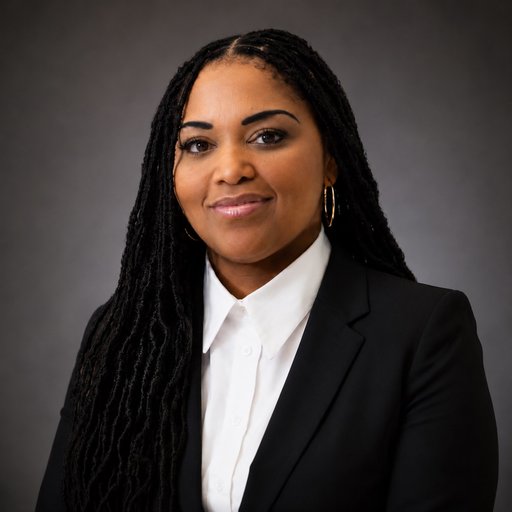
Founder & CEO, MyGenAI | Growth Capacity Intelligence™ | Building Infrastructure for the Wisdom Economy | Strategic Advisor & Board Director
Companies pay Cheresse to write a post about their product on LinkedIn.
This page is where they book it. Below: Cheresse's audience, recent posts and price. Naano, the platform behind this page, handles the brief, your approval of the post and the payment.
€938per post, fixed price
or 3 posts for €2,625 · You approve the post before it goes live
Looking for Cheresse? View LinkedIn profileA creator yourself? Create your own page
We are entering the Wisdom Economy, a world where machine capability is expanding rapidly, changing what humans need to know, do, and become capable of. As AI makes more knowledge work and execution faster and cheaper, knowing more is no longer enough. Increasingly, value comes from our ability to frame the right problems, interpret context, verify outputs, make consequential decisions, adapt, and grow. This raises the question at the center of my work: As machines become more capable, how do people and organizations develop the capacity to become more capable, too? I am the Founder & CEO of MyGenAI, Founder of Growth Capacity Intelligence™ (GCI), innovation executive, board director, and strategic advisor. For two decades, I’ve worked across product design, innovation, consumer insights, and education. At adidas, I helped establish the strategy for adidas S.E.E.D. while leading product innovation, organizational capability, and strategic partnerships. The S.E.E.D. product portfolio generated $5.2M in net sales and sold 95K+ units under my leadership. Today, I pursue this work through two interconnected platforms: Growth Capacity Intelligence™ (GCI) studies shifts in human behavior, technology, markets, culture, and organizations to understand what is changing, what it means, and where opportunities for growth and value creation may emerge. MyGenAI is building developmental infrastructure for the Wisdom Economy™. Its flagship platform, Ghaleo™, uses AI-powered mentorship to expand access to developmental relationships and opportunities to build human capacity at scale. Together, the work connects intelligence + development + action: See what is changing. Understand what it means. Decide what to do. Develop the capacity to do it well. My broader work includes Growth Capacity™, focused on the capacities people and organizations need to learn, adapt, decide, and grow; and Proof-of-Growth™, an emerging framework for making meaningful development measurable. The Wisdom Economy™ is the larger thesis connecting this work: as machine capability expands, we need to understand which human capacities become more consequential, how they develop, and how organizations can strengthen rather than erode them. I advise organizations across growth intelligence, consumer strategy, innovation, organizational transformation, AI adoption, and governance, and welcome strategic advisory and independent director opportunities. The question isn’t simply what AI will become capable of doing. It’s what humans and organizations will need to become capable of becoming.
My most engaged audience
41% Marketing
From 60 people who reacted to or commented on my posts
Public LinkedIn data · Oct 3, 2026
Cheresse Thornhill-Goldson
April Walker there isn’t enough gratitude in the world we can give you, so we’ll just have to just honor you! Honor you for your vision, foresight, courage, talent, and commitment to blazing a trail for the rest of us! WE HONOR YOU! 👑
Cheresse Thornhill-Goldson
Becoming a founder has changed the way I think about what it means to build something. Earlier in my career, my job was to develop a capacity: Design. Then I learned to build capacity in other people. Now I spend a surprising amount of time figuring out 𝘄𝗵𝗶𝗰𝗵 𝗰𝗮𝗽𝗮𝗰𝗶𝘁𝗶𝗲𝘀 𝗻𝗲𝗲𝗱 𝘁𝗼 𝗰𝗼𝗺𝗲 𝘁𝗼𝗴𝗲𝘁𝗵𝗲𝗿 𝗮𝘁 𝗮𝗹𝗹. What do we own? What do we build? What do we partner for? What can someone else do better than us? And what should we never give away? 𝗜’𝗺 𝗹𝗲𝗮𝗿𝗻𝗶𝗻𝗴 𝘁𝗵𝗮𝘁 𝗯𝘂𝗶𝗹𝗱𝗶𝗻𝗴 𝗮 𝗰𝗼𝗺𝗽𝗮𝗻𝘆 𝗱𝗼𝗲𝘀𝗻’𝘁 𝗺𝗲𝗮𝗻 𝗼𝘄𝗻𝗶𝗻𝗴 𝗲𝘃𝗲𝗿𝘆 𝗰𝗮𝗽𝗮𝗰𝗶𝘁𝘆. 𝗜𝘁 𝗺𝗲𝗮𝗻𝘀 𝗸𝗻𝗼𝘄𝗶𝗻𝗴 𝘄𝗵𝗶𝗰𝗵 𝗼𝗻𝗲𝘀 𝗺𝗮𝘁𝘁𝗲𝗿 𝗮𝗻𝗱 𝘄𝗵𝗼 𝗴𝗲𝘁𝘀 𝘁𝗼 𝗱𝗲𝗰𝗶𝗱𝗲 𝗵𝗼𝘄 𝘁𝗵𝗲𝘆 𝗰𝗼𝗺𝗲 𝘁𝗼𝗴𝗲𝘁𝗵𝗲𝗿. Which is why J. Cole’s new sneaker caught my attention. He spent years developing the shoe, worked with Italian partners and launched it himself in Fayetteville. My first thought was: 𝗪𝗵𝗮𝘁 𝗶𝗳 𝗰𝗿𝗲𝗮𝘁𝗼𝗿𝘀 𝗮𝗻𝗱 𝗯𝗿𝗮𝗻𝗱𝘀 𝗮𝗿𝗲 𝘀𝘁𝗮𝗿𝘁𝗶𝗻𝗴 𝘁𝗼 𝘀𝘄𝗶𝘁𝗰𝗵 𝗽𝗹𝗮𝗰𝗲𝘀? So I researched it. And the evidence changed my mind. They aren’t. 𝗦𝗼𝗺𝗲𝘁𝗵𝗶𝗻𝗴 𝗺𝗼𝗿𝗲 𝗶𝗻𝘁𝗲𝗿𝗲𝘀𝘁𝗶𝗻𝗴 𝗺𝗮𝘆 𝗯𝗲 𝗵𝗮𝗽𝗽𝗲𝗻𝗶𝗻𝗴. Stephen Curry gives us a useful contrast. When his relationship with Under Armour ended, Curry retained Curry Brand and then chose Li Ning Sports as his next partner. Cole assembled a small, independent system. Curry chose a global one. But neither stopped needing capacity. Design. Development. Manufacturing. Distribution. Retail. Capital. 𝗪𝗵𝗮𝘁 𝗰𝗵𝗮𝗻𝗴𝗲𝗱 𝘄𝗮𝘀 𝘄𝗵𝗼 𝗴𝗼𝘁 𝘁𝗼 𝗰𝗵𝗼𝗼𝘀𝗲 𝗵𝗼𝘄 𝘁𝗵𝗼𝘀𝗲 𝗰𝗮𝗽𝗮𝗰𝗶𝘁𝗶𝗲𝘀 𝗰𝗮𝗺𝗲 𝘁𝗼𝗴𝗲𝘁𝗵𝗲𝗿. Maybe the power shift isn’t: 𝗯𝗿𝗮𝗻𝗱 → 𝗰𝗿𝗲𝗮𝘁𝗼𝗿. Maybe it’s: 𝗮𝗰𝗰𝗲𝘀𝘀 → 𝗰𝗵𝗼𝗶𝗰𝗲. For decades, one of the biggest questions for talent was: 𝘞𝘪𝘭𝘭 𝘵𝘩𝘦 𝘣𝘳𝘢𝘯𝘥 𝘤𝘩𝘰𝘰𝘴𝘦 𝘮𝘦? But when talent owns enough cultural value, IP or demand, another question becomes possible: 𝗪𝗵𝗶𝗰𝗵 𝗯𝗿𝗮𝗻𝗱 𝗱𝗼 𝗜 𝗰𝗵𝗼𝗼𝘀𝗲? That doesn’t make brands less important. It may actually make their distinctive capacities 𝗺𝗼𝗿𝗲 𝗶𝗺𝗽𝗼𝗿𝘁𝗮𝗻𝘁. The research showed that performance innovation, manufacturing at scale, global distribution, retail access and risk-bearing remain difficult to reproduce. But when people have options, brands have to compete on what they uniquely bring to the relationship. 🌱 𝗖𝗔𝗣𝗔𝗖𝗜𝗧𝗬 𝗜𝗠𝗣𝗟𝗜𝗖𝗔𝗧𝗜𝗢𝗡 → 𝗣𝗼𝘄𝗲𝗿 𝗶𝘀𝗻’𝘁 𝗼𝗻𝗹𝘆 𝗵𝗮𝘃𝗶𝗻𝗴 𝗰𝗮𝗽𝗮𝗰𝗶𝘁𝘆. 𝗜𝘁’𝘀 𝗵𝗮𝘃𝗶𝗻𝗴 𝘁𝗵𝗲 𝗿𝗶𝗴𝗵𝘁 𝘁𝗼 𝗰𝗵𝗼𝗼𝘀𝗲 𝗵𝗼𝘄 𝗰𝗮𝗽𝗮𝗰𝗶𝘁𝘆 𝗰𝗼𝗺𝗲𝘀 𝘁𝗼𝗴𝗲𝘁𝗵𝗲𝗿. And that leaves me with a question I’m thinking about differently as both a founder and someone who has spent most of my career inside large brands: 𝗪𝗵𝗲𝗻 𝘁𝗵𝗲 𝗽𝗲𝗼𝗽𝗹𝗲 𝘆𝗼𝘂 𝘄𝗮𝗻𝘁 𝗻𝗼 𝗹𝗼𝗻𝗴𝗲𝗿 𝗻𝗲𝗲𝗱 𝘆𝗼𝘂 𝘀𝗶𝗺𝗽𝗹𝘆 𝗳𝗼𝗿 𝗮𝗰𝗰𝗲𝘀𝘀, 𝘄𝗵𝗮𝘁 𝗰𝗮𝗽𝗮𝗰𝗶𝘁𝘆 𝗱𝗼 𝘆𝗼𝘂 𝗽𝗼𝘀𝘀𝗲𝘀𝘀 𝘁𝗵𝗮𝘁 𝗺𝗮𝗸𝗲𝘀 𝘁𝗵𝗲𝗺 𝗰𝗵𝗼𝗼𝘀𝗲 𝘆𝗼𝘂 𝗮𝗻𝘆𝘄𝗮𝘆? #GrowthCapacity #StrategicIntelligence #Footwear #BrandStrategy
Cheresse Thornhill-Goldson
Before I learned how to become a footwear designer, I had to learn that 𝗳𝗼𝗼𝘁𝘄𝗲𝗮𝗿 𝗱𝗲𝘀𝗶𝗴𝗻𝗲𝗿 𝘄𝗮𝘀 𝘀𝗼𝗺𝗲𝘁𝗵𝗶𝗻𝗴 𝗜 𝗰𝗼𝘂𝗹𝗱 𝗯𝗲𝗰𝗼𝗺𝗲. I loved basketball. I loved sneakers. I loved design. But those interests don’t automatically become a career path. At some point, you have to be able to see yourself inside the possibility. 𝗠𝗮𝘆𝗯𝗲 𝗽𝗼𝘀𝘀𝗶𝗯𝗶𝗹𝗶𝘁𝘆 𝗶𝘀 𝗶𝗻𝗳𝗼𝗿𝗺𝗮𝘁𝗶𝗼𝗻. I’ve been thinking about that while reading Toni Morrison’s 𝙏𝙝𝙚 𝙎𝙤𝙪𝙧𝙘𝙚 𝙤𝙛 𝙎𝙚𝙡𝙛-𝙍𝙚𝙜𝙖𝙧𝙙 and researching how the narratives around us shape how we understand ourselves. Morrison wrote extensively about what happens when other people control the language through which we see ourselves and what it means to reclaim our own interiority and imagination. It made me wonder: 𝗜𝗳 𝘁𝗵𝗲 𝘀𝘁𝗼𝗿𝗶𝗲𝘀 𝗮𝘃𝗮𝗶𝗹𝗮𝗯𝗹𝗲 𝘁𝗼 𝘂𝘀 𝗰𝗵𝗮𝗻𝗴𝗲 𝘄𝗵𝗮𝘁 𝘄𝗲 𝗰𝗮𝗻 𝗶𝗺𝗮𝗴𝗶𝗻𝗲 𝗼𝘂𝗿𝘀𝗲𝗹𝘃𝗲𝘀 𝗯𝗲𝗰𝗼𝗺𝗶𝗻𝗴, 𝘄𝗵𝗮𝘁 𝗰𝗵𝗮𝗻𝗴𝗲𝘀 𝗱𝗼𝘄𝗻𝘀𝘁𝗿𝗲𝗮𝗺? So I went looking for evidence. One study stayed with me. Researchers studied villages in India where leadership positions had been randomly reserved for women. After repeated exposure to female leaders, the aspiration gap between girls and boys narrowed. Parents’ aspirations for their daughters changed too. Girls spent less time on household chores and their educational attainment increased. 𝗧𝗵𝗲𝗶𝗿 𝗰𝗮𝗽𝗮𝗰𝗶𝘁𝘆 𝗱𝗶𝗱𝗻’𝘁 𝘀𝘂𝗱𝗱𝗲𝗻𝗹𝘆 𝗮𝗽𝗽𝗲𝗮𝗿. Something changed in what they could imagine doing with it. But the research also complicated my original thinking. Narratives don’t always come first. Sometimes a new job does. Or a new technology. A new law. A new institution. A new person occupying a role you had never seen someone like you occupy before. 𝗢𝗽𝗽𝗼𝗿𝘁𝘂𝗻𝗶𝘁𝘆 𝗰𝗮𝗻 𝗰𝗵𝗮𝗻𝗴𝗲 𝗽𝗼𝘀𝘀𝗶𝗯𝗶𝗹𝗶𝘁𝘆, 𝘁𝗼𝗼. The relationship appears to move in both directions. And that changes how I’m thinking about leading indicators. We spend enormous amounts of time studying what people are already doing: Buying. Searching. Applying. Enrolling. Creating. But by then, we’re measuring behavior. 𝗪𝗵𝗮𝘁 𝗰𝗵𝗮𝗻𝗴𝗲𝗱 𝗯𝗲𝗳𝗼𝗿𝗲 𝘁𝗵𝗲 𝗯𝗲𝗵𝗮𝘃𝗶𝗼𝗿? 🌱 𝗖𝗔𝗣𝗔𝗖𝗜𝗧𝗬 𝗜𝗠𝗣𝗟𝗜𝗖𝗔𝗧𝗜𝗢𝗡 → 𝗦𝗼𝗺𝗲𝘁𝗶𝗺𝗲𝘀 𝗽𝗲𝗼𝗽𝗹𝗲 𝗱𝗼𝗻’𝘁 𝗻𝗲𝗲𝗱 𝗺𝗼𝗿𝗲 𝗰𝗮𝗽𝗮𝗰𝗶𝘁𝘆 𝗳𝗶𝗿𝘀𝘁. 𝗧𝗵𝗲𝘆 𝗻𝗲𝗲𝗱 𝗲𝘃𝗶𝗱𝗲𝗻𝗰𝗲 𝗼𝗳 𝘄𝗵𝗮𝘁 𝗶𝘀 𝗽𝗼𝘀𝘀𝗶𝗯𝗹𝗲. Maybe one of the earliest signals of change isn’t what people are doing yet. It’s what they’re beginning to believe 𝘀𝗼𝗺𝗲𝗼𝗻𝗲 𝗹𝗶𝗸𝗲 𝗺𝗲 𝗰𝗮𝗻 𝗱𝗼. And if that’s true, there’s a question I think organizations should be asking much earlier: 𝗪𝗵𝗮𝘁 𝗶𝘀 𝗯𝗲𝗰𝗼𝗺𝗶𝗻𝗴 𝗶𝗺𝗮𝗴𝗶𝗻𝗮𝗯𝗹𝗲 𝘁𝗼 𝗽𝗲𝗼𝗽𝗹𝗲 𝘁𝗼𝗱𝗮𝘆 𝘁𝗵𝗮𝘁 𝘄𝗼𝗻’𝘁 𝘀𝗵𝗼𝘄 𝘂𝗽 𝗶𝗻 𝘆𝗼𝘂𝗿 𝗯𝗲𝗵𝗮𝘃𝗶𝗼𝗿𝗮𝗹 𝗱𝗮𝘁𝗮 𝘂𝗻𝘁𝗶𝗹 𝘁𝗼𝗺𝗼𝗿𝗿𝗼𝘄? #GrowthCapacity #HumanDevelopment #StrategicIntelligence #HumanBehavior
Choose a format for your next LinkedIn collaboration.
A dedicated post to introduce your brand to my audience.
A series of posts to build visibility over time.
Your collaboration, managed on Naano
How does this price compare? B2B creator rates 2026
Based on 60 people who reacted to or commented on my posts. Percentages use the profiles that could be classified.
Based on 60 people who reacted to or commented on my posts. Percentages use the profiles that could be classified.
Based on 60 people who reacted to or commented on my posts. Percentages use the profiles that could be classified.
Based on 60 people who reacted to or commented on my posts. Percentages use the profiles that could be classified.
Storefront by Naano · Create yours
Cheresse Thornhill-Goldson is a B2B LinkedIn creator based in the United States with 4,342 followers, posting about AI, Growth / GTM, and Retail. On Naano, one sponsored LinkedIn post by Cheresse Thornhill-Goldson costs €938, a fixed price per post.
The Naano team casts the creators, writes the briefs, reviews every draft with you and reports results per creator. You approve the shortlist and every draft.